
Do you remember a few months ago when I wrote about reimagining Imbolc, and offered up some thoughts on how we can re-think some of the symbology around fresh milk, Brigids doll and cross and the flames of purification and warmth? Well, the inspiration has struck me again when I saw multiple posts this morning, Sydney time talking about Beltane Fires. I get it, we’re all pagan/modern witches celebrating this popular holiday, but have we really thought about what we’re celebrating here? And more importantly, why?
When we adapt the Sabbats to the Southern Hemisphere, most of us have dutifully flipped the dates over from the Northern Hemisphere dates. Samhain moves to April/May, Beltane shifts to October/November, and we celebrate at the “right” time of year to match the “right” seasons. Personally, I’ve even shifted most things to a full moon closest to these dates and times as well, however have we thought this through enough?
The Wheel of the Year itself is an annual cycle of seasonal festivals that modern Australian pagans and witchcraft practitioners have inherited from the Northern Hemisphere. In the grand scheme of things, the Wheel of the Year is a relatively ‘modern’ invention involving solar festivals (solstices and equinoxes) and cross-quarters days (the rest) with seasonal adjustments; however, I’d argue there are elemental, thematic, and modern mythological overlays that modern eclectic Wiccans overlay on top of The Wheel of the Year as well. I’m not going to peel the entire onion; however I will poke at the inversion, and the elemental surface discussion.
They Say It’s a Fire Festival
‘Traditional’ (be careful with that word) lore tells us Beltane (late October/early November here) is a fire festival. Bonfires, leaping flames, celebrating heat and the growing power of the sun. The Summer Solstice/Midsummer in December marks the peak of solar energy and outdoor celebration.
Beltane, traditionally (that word again) marked the celebration of communities lighting protective bonfires before sending livestock out to summer pasture. Cattle would be driven between fires as a form of protection. This time of year marked the end of an indoor confinement and the beginning of the safe, warm season. In the northern hemisphere fire purifies and protects and Summer meant freedom, abundance and finally being able to go outside again after huddling indoors in a harsh winter. No wonder the young folks wanted to frolic in the fields and ‘bless’ them.
But here I’m certainly not celebrating fire coming into an Australian summer. I’m watching the fire danger ratings and hoping for rain. Fire isn’t protective here; we perceive it as a potential threat to life and property.
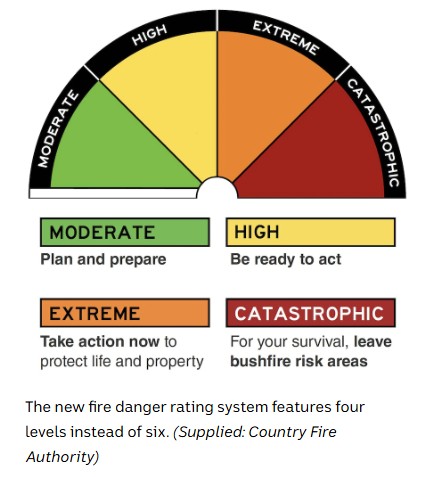
By late October, we’re checking the Fires Near Me app or your local Rural Fire Service, watching weather forecasts for the Spring storm patterns, and preparing for total fire bans, which in most areas, divides the year into fire ban/no fire ban. The tail end of spring storms might bring flash flooding and hail. Then summer hits and Western Sydney regularly pushes past 40°C, sometimes into 45°C, territory. My air con kicks into life, and if you’re lucky to have it, so does yours. (I’m grateful to have solar panels to offset the energy drain).
In Australia, October and Beltane doesn’t mark the beginning of the safe season.
The original Beltane was a turning point, a point that the dangerous season had ended and a safe season was beginning. Hearth fires would safely be extinguished and relit from the communal Beltane bonfire. Everyone celebrated making it through a harsh Winter and looking forward to the freedom and abundance that Summer would bring. It was the ‘we survived the hardest part – now comes rest, playfulness and fun’. Now if we still want to acknowledge the Old Ways, perhaps we should be acknowledging that we have more in common right now with the Northern Hemisphere as they approach their dark half of the year.
Whilst the secular year is coming to a close with end of year parties and fun, we’re also prepping for the ‘hard part’ which is bushfire season, extreme heat, the hazard reduction burns that I wrote about in August, additional fire danger warnings and heatwave alerts.
Make no mistake, this is our survival season. The wider community even held a ‘get ready’ weekend on the Spring Equinox.
Mapping against the elements
I’ve long considered how the Sabbat cycles sit against the elements, and for me, Summer belongs to water, not fire.
So for me, Beltane and the Midummer Solstice are water festivals in my witchcraft practice. I’ve been incorporating water into my Beltane rituals for years, often using floating candles (if one must include fire at all, it’s in a ‘sea’ of water) as the season for fire work is usually drawn to a close by now. Which also means, I’ll get to writing about the rest of the elemental mapping later as the wheel turns.
Our summer season is when we focus on water. Every summer weekend, people flock to the coast or the nearest river/swimming hole. Lifeguards are back on duty at my local swimming hole at Lake Parramatta, and the swimming season there extends through to the end of April.
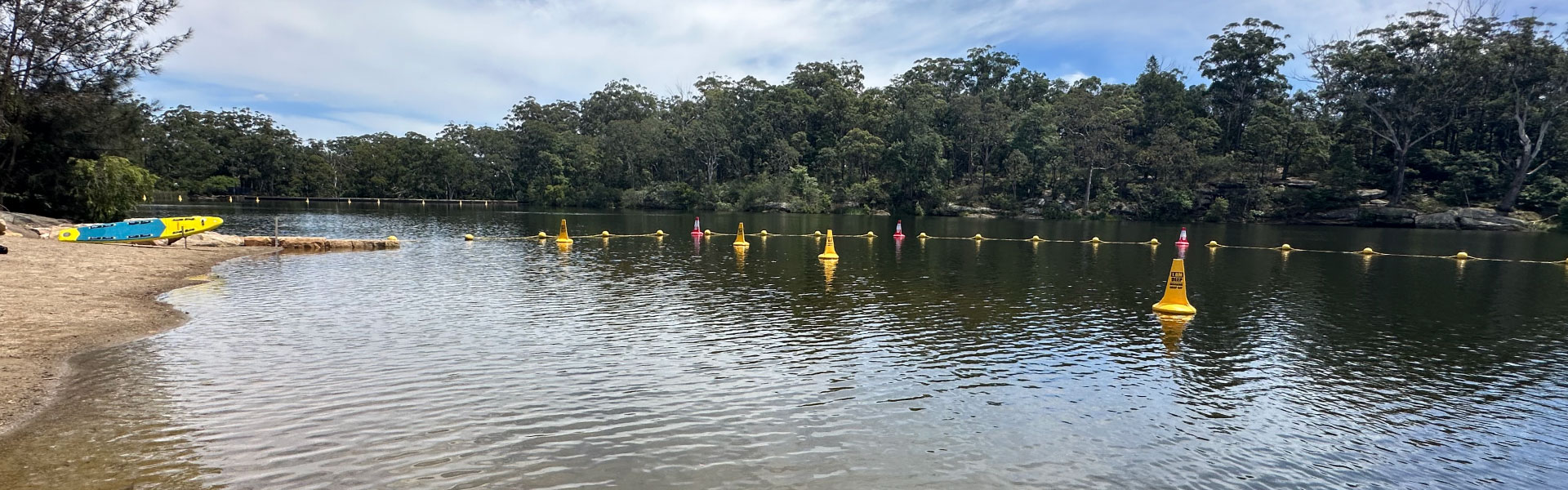
Our most joyful summer celebrations involve being in water, not around a blazing fire. (most backyard fires are banned anyway unless you’re cooking lunch!) So many of us can be found swimming, floating in rivers and paddling in creeks when we need to cool down. Sadly, I don’t live close enough to the beach, but it’s still a drivable distance.
When December’s midsummer solstice arrives and we get our longest day of daylight hours, and we’re not having outdoor feasts in the full onslaught of the summer heat when the UV rating is at its strongest. We’re slip, slop, slapping and we’re retreating to the shade, the air-conditioned refuge, and checking on neighbours during the oppressive heatwaves.
What This Looks Like
For Beltane in late October, I visit cool shaded parks and waterways for ritual instead of lighting fires. I bless my rainwater tank, and this year this comes in the form of getting my plumber in to perform a formal cleansing of the entire system which feeds our grey water system to flush dirt and debris out of the tank itself. For others, there is a focus on weather workings, rain-calling and storm-welcoming/managing rituals and they might replace the ‘traditional’ balefire.
For the midsummer solstice in December, we’ll at the riverside, watching the sunset just as we were last year (you’re invited too).
On the actual midsummer solstice morning, as I have been for the last 20yrs+, I’ll be at the ocean shore at dawn (avoiding the peak sun). Ocean swimming and immersion is ritual purification, washing off the secular year behind me. I do water scrying in the cool evenings after the sun has gone down, and I offer gratitude to water for its life giving sustenance and cleansing power.
It’s About the Land You’re Actually On
In modern witchcraft, The Wheel of the Year is still a very new concept in and of itself, and it emerged from specific landscapes in specific climates. When we bring it to Australia and simply flip the dates without adapting the symbolism and meaning, we’re not really thinking about how it fits into our own environment here. As modern witches, we get to think about if it fits, and how it fits. If we don’t honour the emotional reality of what these core myth cycles were built on, we’re missing the point entirely and blindly cosplaying someone else’s historical narrative.
Your local conditions might be different, which is a nice way of saying your mileage may vary. Coastal practitioners might experience summer differently than those in Western Sydney or Perth. I bet my friends living in the Central Desert regions of Australia would be experiencing Beltane quite differently there too. The point is to question and adapt your practice based on what you actually experience, not what you think you should be experiencing based on imported and flipped ‘traditions’.
So what happens now?
The wheel might need more than a date flip
If Beltane’s premise is no longer anchored in our physical reality, and as practitioners that say we’re rooted (no pun intended) in nature, and we then go and ignore nature, where does that leave us? Do we revert to celebrating a mythological myth cycle divorced from nature? If Beltane isn’t about celebrating the arrival of the safe season and the start of Summer, then what about the rest? Maybe we should print up shirt that say ‘flip tables, not dates’ 😉
- Is Lughnasadgh really the ‘first harvest’ whilst everything is still burning and dying in the relentless February heat?
- Is the Autumn Equinox another harvest festival, again, when we’re still in fire ban season and hoping for the weather to cool down?
- Is Yule/the winter solstice the ‘rebirth of the sun’, when it barely gets ‘cold’ in Sydney and it’s arguably the most pleasant season we could possibly imagine on the East Coast?
- Do we shift to celebrate a myth cycle that doesn’t even link to an imagined ‘natural’ cycle?
I don’t have all of the answers but I do think this entire thing needs more consideration because transplanting some ideas on a calendar 6mths later/earlier, doesn’t really hang with what the reconstructionist folks in the early 20th Century thought they were doing either, so why are we following that? This work is vital, before we end up slavishly celebrating a Winter festival in the middle of Summer and singing songs about snow and jingle bells…..oh wait….!
So this Beltane, while others light their fires, I’ll be flushing my rain water tank, hoping to catch the last of the spring storms. I’ll be sweating my butt off whilst I walk my kids around for trick or treating, before working some water magic in the shower, and preparing for the season ahead. And when the Midsummer Solstice arrives, you’ll find me in the ocean at dawn.
What are you doing in your part of Australia? And more importantly, why?
Discover more from The Pagan Fringe
Subscribe to get the latest posts sent to your email.
 The Pagan Fringe
I think I’ve got a bit of an opposite (I won’t say ‘traditional’ hah!) focus for Beltane: As a firefighter, I’ve always included fire in this part of the year because that’s when the fire is – though, typically, I mark the start of the Fire Danger Period not Beltane itself (I’m a touch more green-hearted and count seasons in flowering times, or the arrival of koels and cuckoos, not so much dates).
What formalities I do have are rooted in opening the FDP, setting intentions for safety in the face of the inevitable blaze, and grounding myself. Fire isn’t an enemy, it’s a part of the cycle, just as much as water, and even that can turn to floods.
I note that today’s Beltane seems fittingly marked by storms in Sydney though we’re yet to see much rain out of them! Hopefully we don’t see much fire, either!
LikeLike
This is a brilliant comment – thank you for taking the time to add your thoughts!
I love that what you do with the FDP, and setting intentions of safety, can mirror the Nothern Hemisphere practises around the use of fire as protection.
I absolutely hear you with regard to the acceptance of the elements as a part of their cycle. I think where the power comes to this, is consdering what we’re doing, and why in our wide and varied landscapes. If folks are doing that, then I think that’s a most excellent outcome.
As my memory would serve me well, we had almost a carbon copy storm on this very same day last year too, however it’s more of an electrical storm this year rather than the lashings of rain we got last year here in Western Sydney.
LikeLike
As timing would have it, I don’t need to work water magic in the shower….I’ve got a fabulous storm to work with instead. Be right back folks 😉
LikeLike